Choosing a backup power system for your house requires thinking beyond convenience. Safety should be prioritised, especially when children, elders, or sensitive gadgets are present. Some systems provide concerns, such as toxic emissions, fire threats, or excessive noise levels. Others are cleaner, quieter, and designed for indoor usage. Understanding these distinctions enables you to secure your home while remaining powered during blackouts. From air quality to simplicity of use, this article analyzes and discusses the most popular home backup options and which ones provide the best safety features. Knowing what to avoid—and what to watch for—can mean all the difference in an emergency.
What Safety Risks Should Families Avoid with Backup Power?


Carbon Monoxide and Air Quality Risks
Gas-powered generators produce carbon monoxide (CO), a lethal gas that is colourless and odourless. Running one inside a garage, cellar, or even too close to a window can result in poisoning within minutes. CO accumulation is the most common cause of generator-related mortality during outages. Always install fuel-powered generators outdoors, away from entrance points. In contrast, battery systems and solar generators emit no pollutants and are suitable for indoor usage. Air quality is important, especially for children, the elderly, and anybody with respiratory concerns. If your backup power option involves combustion, invest in a CO detector and always adhere to rigorous outside use limits.
Fire, Electrical, and Overload Hazards
Improper usage of backup systems can result in fires and electric shocks. Plugging too many high-wattage appliances into an inadequate generator can cause overloads, melted wires, and tripped breakers. Extension cables that are not certified for large loads might cause burns and sparks. To ensure safety, always match the output of your generator or battery inverter to the total wattage of your gadgets. Avoid using homemade wiring or backfeeding through residential outlets, which is both unlawful and dangerous. Any hardwired equipment, including transfer switches, should be installed by a certified electrician. A system with built-in overload protection helps households prevent electrical dangers and keep appliances functioning without unexpected breakdowns.
Noise, Fuel Storage, and Child Safety Concerns
Gas generators may be rather noisy, typically exceeding 70 decibels—roughly the same volume as a vacuum cleaner. This persistent sound causes stress in newborns and dogs and makes communication harder during crises. Fuel storage raises another safety risk. Gasoline, diesel, and propane must be handled with care and kept in well-ventilated places away from fires and sparks. Curious youngsters or dogs might quickly knock over containers or gain access to equipment that is not properly secured. Battery-powered systems are significantly safer since they do not use fuel, emit fumes, or produce loud noise. When selecting backup power, always consider your living space, storage circumstances, and the safety of your family members.
Which Backup Power Options Are Safest for Homes?
Home Battery Backup Systems
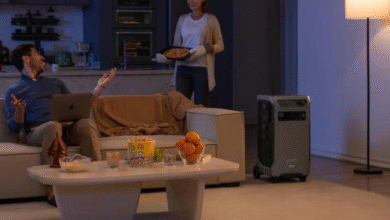
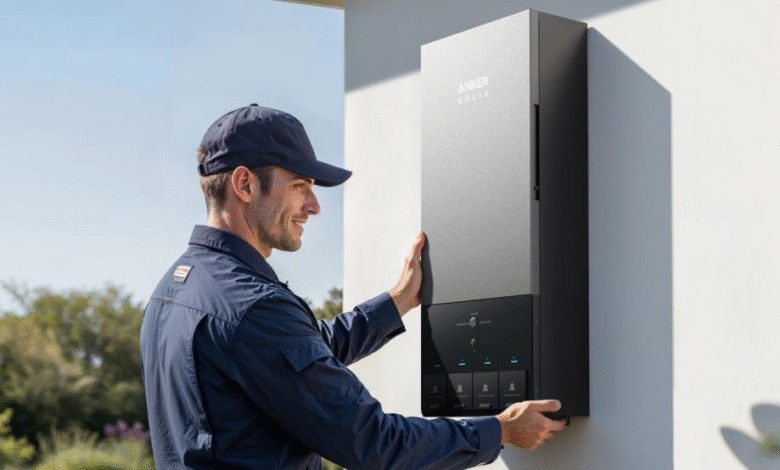
Battery backup systems are one of the safest options for families. A modern battery backup for home setup stores electricity in high-capacity lithium-ion or LiFePO₄ batteries and provides clean, silent power without burning or fuel. Most are wall-mounted inside and produce little noise or heat. They are completely enclosed, which reduces tampering dangers for youngsters and dogs. Built-in Battery Management Systems (BMS) monitor temperature, voltage, and charging to prevent overload and fire. Because there is no exhaust, they are suitable for use in residential environments. When combined with a smart inverter, battery backups activate instantaneously during outages with no user intervention. For residences with sensitive users or limited outside areas, battery solutions provide consistent, low-risk backup power.

Solar + Battery Hybrid Solutions
Solar + battery systems combine rooftop solar panels and a backup battery to provide clean, renewable electricity during outages. These devices automatically charge the battery with sunshine and can continue to provide electricity even when the grid is out. Because they do not burn fuel, they produce no emissions and are safe to use inside or in densely populated areas. The battery saves energy for use at night or during cloudy weather, and clever controls ensure safe output. Families benefit from silent operation, no fuel storage, and little maintenance. With federal incentives available, these systems are now more accessible than ever. A solar hybrid system is one of the most secure and environmentally friendly alternatives for whole-home backup power.
Portable and Standby Generators: Safety Limits
Although standby and portable generators provide dependable backup, they have certain safety drawbacks. Portable devices must always be operated outside owing to carbon monoxide dangers. It can be fatal to place one improperly, such as within a garage or too near the house. Standby generators are safer in this regard—they’re installed properly and incorporate CO-safe measures and automatic shutoffs—but still require fuel and frequent maintenance. Both kinds need to be handled carefully, particularly when around kids, animals, and combustible objects. Never run wires through open windows or store gasoline indoors. If you pick a fuel-powered version, follow the manufacturer’s safety recommendations completely and install CO detectors around the property.
Conclusion
The safest backup power system for your family is determined by your home layout, energy requirements, and who lives with you. Battery-powered systems and solar hybrids provide clean, quiet, and low-maintenance solutions with less danger, but fuel-powered generators necessitate additional measures. Understanding carbon monoxide threats, fire hazards, and electrical safety is critical for making the proper decision. Always choose features that are appropriate for your family’s lifestyle and adhere to optimal installation methods. With careful planning and the appropriate equipment, you can remain safe, connected, and comfortable throughout any outage—without endangering your loved ones. Prioritize safety, and your power backup will provide genuine peace of mind.