Sonny Jurgensen: The Legendary NFL Quarterback Who Redefined Passing Excellence

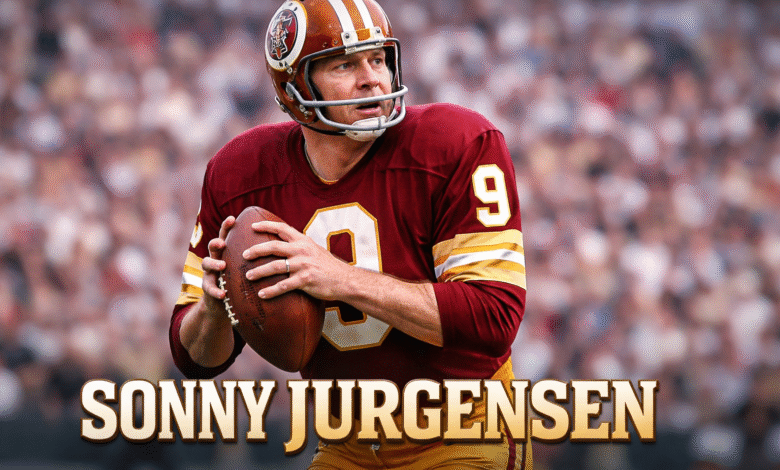
Few names in professional football history carry the same respect and admiration as sonny jurgensen. Known for his effortless throwing motion, razor-sharp football IQ, and fearless downfield passing, sonny jurgensen remains one of the most gifted pure passers the NFL has ever seen.
In an era when the league leaned heavily on the running game, It stood out as a quarterback who trusted his arm and his instincts. His career with Washington and Philadelphia reshaped how the quarterback position was viewed and helped lay the foundation for today’s pass-first offenses.


This in-depth guide explores the life, career, achievements, and lasting legacy of It, offering insight for football fans, historians, and anyone curious about the evolution of the NFL.
Early Life and College Career of Sonny Jurgensen
Born on August 23, 1934, in Wilmington, North Carolina, It showed athletic ability from a young age. He attended Duke University, where he excelled as a quarterback. At Duke, he developed the quick release and field awareness that would later define his professional career.
While college football in the 1950s was far different from today’s game, It displayed traits that would translate seamlessly to the NFL. His leadership, decision-making, and confidence under pressure set him apart. Scouts recognized his potential, and he was drafted by the Philadelphia Eagles in 1957.
Though he wasn’t an immediate starter, his talent was undeniable. When given the opportunity, sonny jurgensen proved that he could command an offense at the highest level.
NFL Career: How Sonny Jurgensen Became a Passing Pioneer
Philadelphia Eagles Years
It began his NFL journey with the Philadelphia Eagles. In 1960, he was part of the Eagles team that won the NFL Championship. Although he didn’t start the championship game, his contributions throughout the season were significant.
By 1961, sonny jurgensen became the full-time starter and quickly made his mark. He led the league in passing yards and passing touchdowns, demonstrating a skill set that was ahead of its time. His ability to read defenses and throw accurately into tight coverage earned him league-wide respect.
In 1964, he was traded to Washington in a move that surprised many fans. That trade would ultimately define the next chapter of sonny jurgensen’s legendary career.
Washington Years and Peak Performance
It was with Washington that sonny jurgensen truly cemented his place among NFL greats. Wearing burgundy and gold, he became the face of the franchise and a fan favorite.
During the late 1960s and early 1970s, sonny jurgensen consistently ranked among the league leaders in passing yards and touchdowns. In 1967, he threw for 3,747 yards, leading the NFL and proving once again that he was one of the most dangerous quarterbacks in football.
At a time when passing was considered risky and conservative play-calling dominated, sonny jurgensen embraced the air attack. His deep-ball accuracy and fearless mentality transformed Washington’s offense into one of the most exciting units in the league.
Sonny Jurgensen’s Playing Style and What Made Him Unique
What separated sonny jurgensen from his peers was not just statistics, but style.
He had an exceptionally quick release. The ball seemed to leave his hand effortlessly, often before defenders could react. His anticipation allowed him to throw receivers open rather than waiting for them to get open.
Unlike many quarterbacks of his era, It thrived under pressure. He was known for standing tall in the pocket, delivering precise passes even as defenders closed in. His mechanics were smooth, his footwork efficient, and his decision-making sharp.
Football historians often describe It as one of the most naturally talented passers ever to play the game. His skill set would fit seamlessly into today’s pass-heavy NFL offenses.
Career Achievements and Hall of Fame Recognition
The career of sonny jurgensen is filled with accolades that reflect his dominance and consistency.
He was selected to multiple Pro Bowls and twice led the league in passing yards. Over the course of his career, he threw for more than 32,000 yards and 255 touchdowns, numbers that were extraordinary during his era.
In 1983, It was inducted into the Pro Football Hall of Fame, cementing his status among the all-time greats. His induction recognized not only his individual statistics but also his influence on the evolution of the quarterback position.
For official career statistics and historical data, the Pro Football Hall of Fame provides a comprehensive profile of his achievements. You can also explore detailed game logs and season breakdowns through reputable sports databases such as Pro Football Reference.
Leadership, Resilience, and Longevity
One of the most impressive aspects of It’s career was his longevity. He played 18 seasons in the NFL, an impressive feat in an era with far fewer medical advancements and player protections.
He battled injuries but consistently returned to lead his team. Even as younger quarterbacks entered the league, it maintained a high level of performance. His experience and football intelligence allowed him to adapt as the game evolved.
Teammates often described him as confident and charismatic. His leadership extended beyond the field, influencing locker room culture and shaping Washington’s identity during his tenure.
Sonny Jurgensen’s Impact on Modern Quarterbacks
Today’s NFL quarterbacks benefit from rule changes that favor passing offenses. But players like sonny jurgensen paved the way.
His willingness to attack defenses through the air demonstrated that a dynamic passing game could be both effective and entertaining. He proved that quarterbacks could control games with their arms rather than relying primarily on running backs.
Modern legends such as Joe Montana, Dan Marino, and Peyton Manning are often discussed in conversations about elite passers. Yet, many football historians acknowledge that It was ahead of his time, showcasing a style that would later become standard in the league.
If you are interested in learning more about the evolution of the quarterback position, you may find our in-depth guide on the history of NFL passing offenses especially helpful.
Broadcasting Career and Life After Football
After retiring from professional football in 1974, sonny jurgensen transitioned into broadcasting. He became a color commentator for Washington games, bringing his deep knowledge of the sport to fans for decades.
His analysis was respected for its clarity and insight. Having played the position at the highest level, sonny jurgensen offered a unique perspective on quarterback play and offensive strategy.
Beyond broadcasting, he remained active in community initiatives and alumni events. His presence at games and team functions kept him closely connected to the franchise and its fan base.
The Enduring Legacy of Sonny Jurgensen
The legacy of sonny jurgensen extends far beyond statistics.
He represented a shift in how the quarterback role was perceived. At a time when teams were cautious and conservative, sonny jurgensen embraced creativity and boldness. His style made games exciting and influenced future generations of players and coaches.
For Washington fans, he remains one of the most beloved figures in franchise history. His Hall of Fame status and enduring popularity reflect not only his talent but also his character and impact on the game.
Young quarterbacks studying classic NFL film often discover that many modern techniques were already being executed flawlessly by sonny jurgensen decades ago.
Why Sonny Jurgensen Still Matters Today
In discussions about the greatest quarterbacks in NFL history, the name sonny jurgensen deserves serious consideration.
His career numbers, leadership qualities, and stylistic innovation make him more than just a historical figure. He is a foundational player in the evolution of professional football.
For fans researching classic NFL icons, sonny jurgensen represents excellence, resilience, and innovation. His story is not just about passing yards and touchdowns; it is about redefining expectations and inspiring future generations.
As the NFL continues to evolve, the contributions of pioneers like sonny jurgensen become even more significant. The modern passing game owes much to his vision and execution.
Conclusion: The Timeless Greatness of Sonny Jurgensen
The story of sonny jurgensen is one of talent, courage, and transformation. From his early days at Duke University to his Hall of Fame induction, sonny jurgensen consistently demonstrated what elite quarterback play looks like.
He challenged conventional strategies, embraced the passing game, and delivered performances that thrilled fans and frustrated defenses. His influence can still be felt in today’s NFL, where quarterbacks are celebrated for the very skills he showcased decades ago.
For anyone seeking to understand the roots of modern football offense, the career of sonny jurgensen offers essential insight. His legacy remains secure as one of the most gifted and impactful quarterbacks in NFL history.
Frequently Asked Questions About Sonny Jurgensen
Who is Sonny Jurgensen?
Sonny Jurgensen is a Pro Football Hall of Fame quarterback who played 18 seasons in the NFL, primarily with Washington and the Philadelphia Eagles. He is widely regarded as one of the greatest pure passers in league history.
When was Sonny Jurgensen inducted into the Hall of Fame?
Sonny Jurgensen was inducted into the Pro Football Hall of Fame in 1983 in recognition of his outstanding career achievements and influence on the quarterback position.
What teams did Sonny Jurgensen play for?
Sonny Jurgensen played for the Philadelphia Eagles and Washington during his NFL career. He won an NFL Championship with the Eagles in 1960.
What made Sonny Jurgensen unique as a quarterback?
Sonny Jurgensen was known for his quick release, deep-ball accuracy, and ability to read defenses. His aggressive passing style was ahead of its time and helped shape modern offensive strategies.
How many passing yards did Sonny Jurgensen have?
Over his NFL career, Sonny Jurgensen threw for more than 32,000 passing yards and 255 touchdowns, remarkable numbers for the era in which he played.