The front of a building is easy to ignore until it starts to look tired, and then suddenly it’s all you can see. Peeling trim, faded paint, a walkway that feels forgotten—none of it screams for attention on its own, but together it gives off that quiet message that things are not being looked after. You might have seen this happen on homes, offices, small shops. Owners get used to the slow changes. The rest of us don’t. First impressions are made fast, and they stick.
In places like Glendale, where bright sun and dry air can wear down exterior materials faster than people expect, that first impression shifts even quicker. Paint fades unevenly. Window seals dry out. Landscaping loses its edge. The climate doesn’t ruin a building overnight, but it nudges it in that direction. And once that drift starts, it’s hard not to notice.

Windows, Light, and What Gets Noticed
Windows tend to fade into the background until something feels off. Glass clouds over. Frames crack or warp. Seals fail quietly. Light stops coming through cleanly, and the exterior starts to look dull, even if the paint is fine.
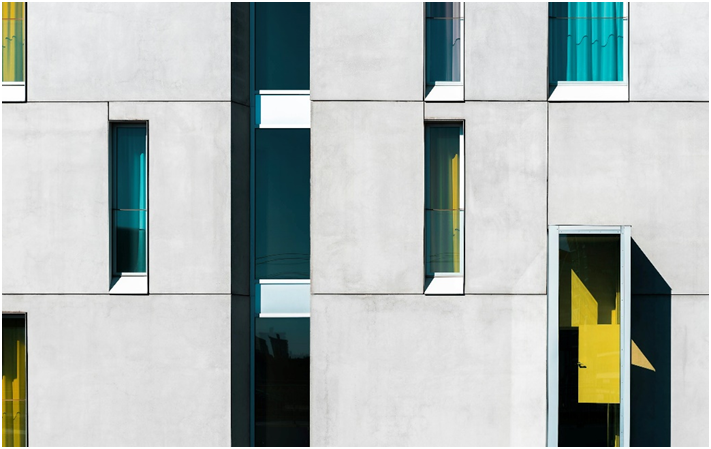
Upgrading windows does more than improve energy performance. It changes how a building reflects light during the day and how it glows at night. Clean, modern frames create sharper outlines. Larger panes reduce visual clutter. Even repainting or refinishing existing frames can make the structure look newer than it is.
In warmer climates especially, windows take a beating from the sun. Materials expand and contract. Caulking dries. Over time, small distortions appear. Consulting a Glendale window company can clarify whether repair or replacement makes more sense, particularly when heat exposure has been constant. The goal isn’t to modernize for the sake of it. It’s to restore clarity and proportion so the building stops looking tired.
Entry Points Set the Tone
The front door carries more weight than people expect. It’s where attention lands. If it looks worn or mismatched, the entire structure feels slightly off balance. Replacing hardware alone—handles, knockers, house numbers—can sharpen that focal point without major cost.
Lighting around the entry also plays a role. Old fixtures date a property quickly. Clean, simple lighting with warm bulbs can shift the mood from harsh to welcoming. It doesn’t need to be dramatic. It just needs to feel intentional.
And then there’s symmetry. Humans are wired to notice it. Matching planters, evenly spaced sconces, balanced trim—these small adjustments calm the visual field. When things line up, the building feels steadier. When they don’t, even slightly, it feels unsettled.
Landscaping That Frames Instead of Hides
Landscaping is often treated as decoration, but it works more like a frame around a picture. If it’s overgrown, it hides architectural lines. If it’s too sparse, the building looks exposed. The balance sits somewhere in between.
Trimming shrubs back from windows allows natural light to bounce outward instead of being absorbed by leaves. Low ground cover can define pathways without blocking sightlines. A few well-placed plants near the foundation soften edges without covering them.
Hardscaping deserves attention too. Edging along walkways, refreshed gravel, or updated pavers create contrast against grass and soil. Clean borders make everything else look organized. Even repainting or staining a fence can anchor the entire yard.
Small Structural Details That Quietly Matter
Gutters, downspouts, fascia boards—most people never think about them unless they fail. Yet visually, they draw lines across the roof and along the walls. If they sag or discolor, those lines break. Straightening or replacing them restores order.
Roof condition has a similar effect. Even if shingles are technically fine, uneven coloration or missing pieces pull the eye upward in the wrong way. A roof cleaning or minor repair can make a structure look significantly newer. It’s rarely glamorous work, but it carries weight.
Garage doors are another major visual block. On many homes, they take up more front-facing space than any other feature. A modern panel design or fresh coat of paint can shift the whole composition. It doesn’t need windows or decorative hardware unless that fits the style. It just needs to stop looking forgotten.
Maintenance as a Visual Strategy
Routine maintenance is not exciting, but it’s powerful. Caulking cracks. Replacing broken tiles. Cleaning stains from brick. These actions don’t transform a property in a dramatic before-and-after way. Instead, they remove distractions.
Visual impact often comes from subtraction. Remove the rust. Remove the mildew. Remove the chipped edges. Once those are gone, what remains feels cleaner and more cohesive.
There’s also a psychological element. When a property looks maintained, people assume the interior is too. Buyers, clients, even neighbors draw that line quickly. It’s not always fair, but it’s consistent.
Lighting After Dark
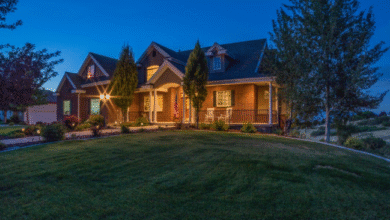
Daytime curb appeal gets most of the attention, yet buildings live half their lives at night. Exterior lighting changes perception completely. Soft ground lights along a path create depth. Uplighting on a tree adds dimension. Wall-mounted fixtures highlight texture.
The goal isn’t brightness. Over-lit exteriors feel harsh and exposed. Balanced lighting, spaced evenly, makes a building appear secure and considered. Shadows should still exist. They just shouldn’t hide hazards or distort features.
Timer systems or smart controls can ensure lights turn on consistently. In neighborhoods where people come and go at irregular hours, steady lighting adds a layer of quiet order. It signals presence.
When Less Does More
Not every exterior needs added features. Sometimes improvement means restraint. Removing outdated awnings, oversized signage, or decorative trim can simplify the overall look. Clean lines often age better than ornate ones.
You might have seen buildings improve simply by reducing clutter. Fewer colors. Fewer materials. Fewer decorative elements competing for attention. The structure itself becomes the focus again.
Exterior improvements don’t have to be dramatic to be effective. In fact, the most successful ones rarely are. They correct what’s slightly off. They restore what’s faded. They bring edges back into focus. And once that happens, the whole property feels different, even if no one can quite explain why.