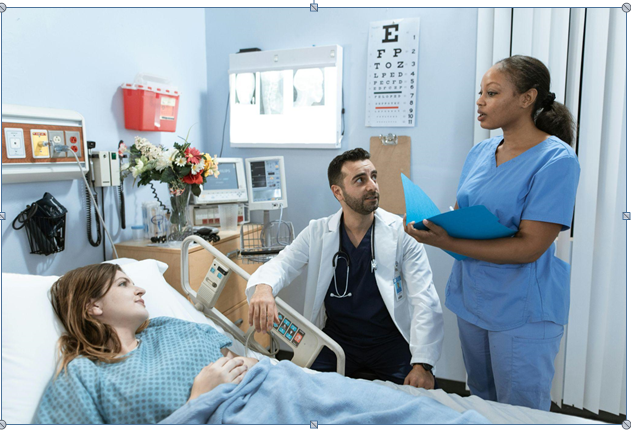
Hospitals across the United States continue to face significant staffing challenges as patient needs increase and the healthcare environment grows more complex. These issues have created ongoing strain for clinical teams as well as administrators who rely Image source on consistent staffing levels to maintain quality care. Facilities in Missouri experience many of the same pressures, reflecting a broader national trend. As staffing shortages intensify, the industry has become increasingly aware of the essential role strong nursing leadership plays in promoting stability and improving patient outcomes.
This article explores why leadership skills are urgently needed in the current healthcare climate and how nurses can prepare to guide their teams through difficult staffing conditions.


The Demand for Strong Nurse Leaders in Today’s Healthcare Landscape
Healthcare systems are placing greater emphasis on developing strong nurse leaders who can guide teams through ongoing staffing challenges. Effective leaders must balance clinical demands with an understanding of organizational operations so they can identify workflow barriers, enhance communication, and support staff engagement. Hospitals benefit when nurses with advanced preparation move into roles where they influence policy, coordinate departments, and cultivate healthier workplace cultures.
If you’re exploring online nursing programs Missouri universities offer several options that help nurses step into leadership positions with confidence. One example is the MSN Nurse Executive program at Northwest Missouri State University, which focuses on building higher-level management abilities, strengthening organizational insight, and applying evidence-based strategies in complex healthcare settings. Its flexible online structure allows nurses to continue working while they develop critical leadership skills.
Leadership education empowers nurses to advocate for appropriate staffing levels, evaluate workforce needs, and design initiatives that support patient care even under pressure.
Understanding the Root Causes of Hospital Staffing Challenges
Several factors contribute to the widespread staffing shortages hospitals face today. One of the most significant influences is the aging population, which requires greater levels of healthcare services. As patient volumes increase, the workload intensifies for nursing staff. At the same time, many seasoned nurses are reaching retirement age, which expands the gap between available personnel and patient demand.
Burnout is another major factor. Nurses often experience emotional and physical fatigue due to long shifts, high patient acuity, and limited support. Burnout contributes to high turnover rates, which further reduces staffing stability. Hospitals must then rely on temporary or traveling staff to fill gaps, but this approach is costly and can affect continuity of care.
Shifts in healthcare delivery models also contribute to staffing challenges. For example, the growing emphasis on outpatient care and preventive medicine has expanded the need for nurses in multiple settings. This disperses the workforce and increases competition among employers. With so many forces interacting at once, hospitals face ongoing difficulties maintaining the staffing levels required for safe and efficient patient care.
How Leadership Influences Staffing Stability
Effective nurse leaders are essential for creating environments where nurses feel supported and valued. When staff members have confidence in their leaders, they are more likely to remain committed to their roles. Leaders influence staffing stability by improving communication, coordinating care teams, and addressing concerns before they escalate into turnover. When scheduling is organized and transparent, nurses can better balance their work responsibilities with personal needs.
Leadership also affects the culture of a unit. A positive culture encourages teamwork, reduces conflict and promotes professional growth. When nurses work in supportive environments, they experience higher job satisfaction and are less likely to leave the profession. Leaders who recognize staffing challenges early can advocate for resources, develop retention strategies, and coordinate with other department heads to ensure appropriate coverage.
Developing Critical Skills for Nursing Leadership
Strong nursing leadership requires a combination of interpersonal, analytical and organizational skills. Communication is at the heart of effective leadership. Leaders must be able to listen actively, deliver clear instructions and facilitate productive conversations. Decision making is equally important. Nurse leaders frequently face complex situations and must choose actions that balance the needs of patients, staff, and the organization.
Strategic planning is another essential competency. Leaders must interpret data, anticipate staffing needs, and design solutions that support long-term stability. Conflict resolution also plays a key role, as disagreements can arise within any healthcare environment. Leaders who can mediate challenges effectively help maintain a healthy workplace dynamic.
Nurses can strengthen these skills through formal training, mentorship, and experience in roles that offer exposure to team coordination or project supervision. Developing leadership skills is not only beneficial for career progression but also critical for addressing broader issues affecting healthcare organizations.
Strong leaders are vital for sustaining a skilled and motivated staff. When nurses feel supported, respected, and included in decision-making processes, they are more likely to remain engaged in their roles. The investment in leadership development is an investment in the long term stability of healthcare services.
Hospitals will continue to face staffing challenges as healthcare evolves, but the presence of competent and forward-thinking nurse leaders can make a meaningful difference. Nurses who pursue leadership training contribute to stronger teams, improved patient outcomes and a more resilient workforce.