
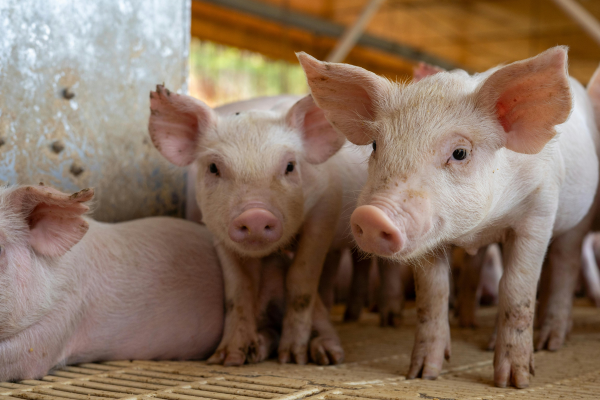
Joint health is significant to the comfort, mobility, and productivity of pigs in all their lifestyles. Since learning to stand and move, on to weight bearing and day to day activity, piglets become mature animals; joints never stop being used. When the joint condition is still not ideal, the changes in movement or behavior can start to manifest. The knowledge of these signs and determinants that affect the health of the joint can help in the better long term management of herds.
Joint Structure in Pigs
Pig joints are complicated constructions of bones, cartilage, connective tissues, and synovial fluid. These parts are combined to enable free movement and weight distribution. Cartilage creates a low friction, and ligaments and tendons are involved in stability.
With the rapid growth of pigs, joints have to adjust to the growing weight of the body. It is a combination of nutrition, housing conditions, and genetics in relation to the development and functioning of the joints with an aging body.
Common Signs of Joint Challenges
Pigs do not always show joint related changes. Major ones are slower movement, hesitation during standing, or unequal weight bearing. There are pigs that can rest more or be less active.
There are various causes of these signs, thus it is important to note them keenly. Joint condition is usually discussed in connection with such aspects as flooring, stocking density, and the general health condition.
Growth, Weight, and Joint Demand
Contemporary pig farming tends to focus on effective growth, which may place an additional burden on joints. The more the body mass, the more the load of the joints is needed to support the body in a standing posture and during movements. In the long run, such requirement can affect comfort and mobility.
Joint adaptation in growing stages can be supported through the provision of balanced nutrition and adequate room to move around. This is the reason, why joint support is usually spoken about within the framework of the livestock management strategy.
The Role of Nutrition in Joint Support
The key role of nutrition in the joint structure is fundamental. Pig diets are usually energy-based, protein based, vitamin-based, and mineral-based diets that promote the growth of skeletal and connective tissues.
Other manufacturers also believe that pig joint supplement should be added to the base diet. These nutritional supplements are typically designed to supply nutritional elements related to the cartilage and connective tissues and they are generally applied to complement regular feeding plans.
Joint Support across Livestock Systems
Mitigation of joint health is a common ability among a great number of livestock species. It is against this reason that products and strategies that are created as a livestock joint supplement are occasionally modified to use with pigs. In spite of the fact that the needs of every species are different, the principles of balanced nutrition and the careful management are similar.
Producers tend to judge the supplements in terms of their compatibility into the current feeding patterns and herd objectives instead of relying on the short-run or radical transformations.
Environmental and Management Factors
Joint condition in pigs is strongly affected by the housing and flooring. Difficult or greasy surfaces can enhance stress in movement whereas the cramped space can restrain the natural pattern of activities. Cleaning and proper bedding can be used on a regular basis and assist in ensuring safer movement in pens.
Moreover, the healthy condition of the hooves and limbs can be maintained by conducting frequent examinations in order to detect the possible issues in their initial stages. These exercises combine with dietary plans to promote the general activity of the joints.
Considering Supplement Options
When considering joint support products, one should pay attention to the composition of ingredients and how the product supplements the entire diet. Others e.g. OptiWize 10-N-1 are to be added in a complete feeding program rather than be applied as an isolated method.
The emphasis is usually placed on long term consistency and not short term outcomes. The choice of supplements is usually based on herd management practice and nutritional goals.
Observing and Adjusting Over Time
Regular observation of pigs will enable the producer to monitor the movement patterns, behavior and general comfort. Whenever any changes are noticeable, they can be discussed with the help of specialists or veterinarians to identify whether changes in the diet can be made or not.
The best approach to joint support strategies is where it is adaptable and receptive to the needs of the herd. This can be adjustment of rations, housing conditions, or revising of supplement as pigs mature.
Final thoughts
Joint health is an important aspect of pig comfort and mobility, influencing daily movement and overall herd performance. While no single factor determines joint condition, balanced nutrition, proper housing, and attentive management all contribute. Options such as a livestock joint supplement are typically considered as part of a broader approach to joint support. Products like OptiWize 10-N-1 are often included to complement long term feeding and management strategies, supporting consistent care rather than expectations of guaranteed outcomes.
