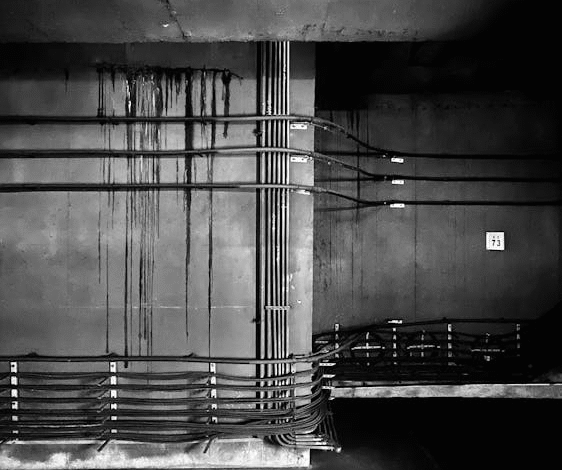
Prysmian Group engineers power transmission infrastructure for environments where conventional solutions fail. Underground corridors and deep-sea crossings present distinct technical challenges such as pressure differentials, thermal constraints, corrosive conditions, and regulatory complexity. Few manufacturers operate across both domains with equivalent competence. Prysmian does. Their cable systems now underpin some of the world’s most demanding energy projects, spanning hundreds of kilometres beneath land and ocean. What makes their solutions technically capable of achieving this warrants closer examination.
What Makes Prysmian Underground Cable Solutions Handle High-Voltage Demands?
Prysmian’s underground cable systems achieve high-voltage performance through a combination of advanced insulation materials, precision-engineered conductor geometry, and rigorous thermal management design. Cross-linked polyethylene insulation provides dielectric integrity under sustained electrical stress, while segmented conductor configurations reduce skin effect losses across transmission voltages.


These cable design features are engineered to meet operational demands in densely routed urban corridors and long-distance transmission networks alike. Prysmian’s manufacturing capabilities support voltage ratings exceeding 500 kV, maintained through controlled extrusion processes that eliminate micro-void formation within insulation layers.
Metallic screen systems and water-blocking compounds further reinforce cable integrity against environmental ingress. Each design parameter is validated against IEC and CIGRÉ standards, ensuring consistent performance across diverse installation conditions, including direct burial, duct routing, and tunnel configurations.
How Prysmian Submarine Cables Cross the World’s Toughest Waters?
Crossing depths exceeding 2,000 meters and spanning seismic fault zones, active fishing corridors, and high-current tidal straits, Prysmian submarine cable systems are engineered to sustain mechanical and electrical integrity across some of the most hostile subsea environments on earth. Cable installation techniques are selected based on route-specific bathymetric surveys, sediment composition analysis, and hydrodynamic load modeling, with methods ranging from jet plow burial to remotely operated vehicle-assisted laying.
Prior to deployment, detailed environmental impact assessments evaluate biological sensitivity, protected marine habitats, and anthropogenic activity zones, ensuring regulatory compliance and minimizing ecological disruption. Armoring configurations are calibrated to counteract abrasion, hydrostatic pressure, and trawling risk simultaneously. This multi-disciplinary engineering approach enables Prysmian to deliver reliable long-distance power transmission across intercontinental and offshore subsea corridors.
How Prysmian Cable Solutions Connect Offshore Wind and Solar to National Grids?
As offshore renewable energy installations migrate further from shore into deeper, more energetic water bodies, the electrical infrastructure connecting these assets to national transmission networks demands increasingly sophisticated cable engineering.
Prysmian Group addresses offshore energy transmission requirements through high-voltage alternating current and high-voltage direct current cable systems engineered specifically for dynamic marine environments.
For offshore wind arrays, Prysmian supplies inter-array cables aggregating turbine output before transmitting consolidated power via export cables to onshore substations. Submarine photovoltaic installations similarly depend on Prysmian’s low-loss conductor designs to minimize resistive losses across extended distances.
Renewable energy integration is further supported through Prysmian’s HVDC solutions, which efficiently transmit bulk power from remote offshore platforms without the reactive power losses associated with long-distance AC transmission, ensuring reliable grid connection at national network voltages.
Which Major Energy Projects Has Prysmian Already Delivered?
Spanning decades of project execution, Prysmian Group has delivered critical cable infrastructure across some of the world’s most technically demanding energy interconnection and offshore wind developments. Notable offshore wind farm projects include the Hornsea One and Dogger Bank installations in the United Kingdom, where Prysmian supplied both array and export cables enabling large-scale renewable energy transmission to onshore grid networks.
The Western HVDC Link interconnector between Scotland and Wales represents a significant land-based delivery, transmitting 2,200 MW across 600 kilometres. The NordBalt submarine interconnector between Sweden and Lithuania further demonstrates Prysmian’s capability in cross-border subsea infrastructure. Each project required engineered solutions addressing specific burial depths, conductor sizing, and thermal performance parameters, confirming Prysmian’s position as a principal contractor across complex, high-voltage energy delivery programmes globally.
How Prysmian Manages Projects From Engineering to Grid Connection?
From initial feasibility assessment through to final grid energisation, Prysmian Group structures its project delivery around an integrated engineering framework that coordinates design, procurement, manufacturing, installation, and commissioning as sequential yet interdependent phases. Its project management capabilities encompass route surveys, geotechnical analysis, environmental permitting, load flow modelling, and system protection coordination.
Dedicated project teams maintain technical continuity across all delivery stages, reducing interface risk between contractors and minimising schedule variance. Client collaboration strategies are embedded throughout execution, with regular engineering review gates, transparent progress reporting, and joint decision-making protocols ensuring alignment between Prysmian’s technical outputs and the client’s grid requirements.
Factory acceptance testing, offshore installation supervision, and energisation support are managed through a single contractual and technical interface, consolidating accountability and simplifying communication across complex, multi-stakeholder transmission projects.