There is nothing worse than your air conditioner quitting in the middle of a July heatwave. One day, your home feels cool and comfortable, and the next, you are scrambling for fans and opening windows that let in more warm air. In Roslyn, New York, where summer humidity from Long Island Sound can make temperatures feel even higher, a working AC system is essential for daily comfort. It affects how well you sleep, how productive you feel, and even how you host friends and family.
Air conditioning is a key part of modern home improvement. It supports indoor air quality, manages humidity, and protects your property from moisture-related damage. When you understand how your HVAC system works, you can catch minor issues early and avoid expensive emergency repairs. A proactive approach reduces stress and keeps your home consistently comfortable.


Understanding the Complexity of Modern HVAC Systems
Modern HVAC systems include interconnected components that must work in sync. The evaporator coil absorbs indoor heat, the refrigerant carries it through sealed lines, and the condenser releases it outside. Electrical controls, sensors, and circuit boards manage timing and performance. When one part underperforms, the entire system feels the strain.
Because of this complexity, accurate diagnostics matter. While homeowners can handle basic maintenance, deeper issues require trained evaluation. Partnering with a qualified Roslyn air conditioning company ensures proper testing, safe repairs, and long-term reliability. Professional support helps prevent small imbalances from turning into major breakdowns.
Frozen Evaporator Coils and Restricted Airflow
Frozen evaporator coils often result from restricted airflow. When air cannot circulate properly, the coil temperature drops too low and condensation freezes. You may notice weak airflow, uneven cooling, or visible ice on indoor components. If the issue continues, the system may shut down to prevent further damage.
Preventing frozen coils starts with consistent airflow. Replace air filters regularly and keep vents open and unobstructed. Make sure ducts remain sealed and clean. Scheduling seasonal maintenance allows a technician to inspect blower performance and coil condition before peak summer temperatures arrive.
Refrigerant Leaks and Cooling Efficiency
Refrigerant plays a central role in removing heat from your home. When levels drop due to a leak, cooling efficiency declines, and the system runs longer cycles. You might notice higher utility bills, inconsistent temperatures, or a faint hissing sound near refrigerant lines.
Low refrigerant is not a problem you solve by simply adding more. Leaks require professional detection and repair to prevent compressor damage. Addressing the source early protects system performance and avoids more expensive repairs later.
Clogged Condensate Drain Lines and Water Damage Risks
Your air conditioning system pulls humidity from the indoor air, and the collected moisture flows out through a dedicated condensate drain line. Over time, algae, dirt, and debris can clog the line. When blocked, water may back up into the unit or leak into surrounding areas.
Signs of trouble include standing water near the indoor unit, musty smells, or ceiling stains. Flushing the drain line periodically helps prevent buildup. Many systems include a safety switch that shuts off the unit if the water level rises. Keeping the drain line clear protects both your cooling system and your home from unnecessary water damage.
Electrical Component Failures: Capacitors, Contactors, and Sensors
Your AC system relies on several small electrical parts that do critical work behind the scenes. Capacitors help motors start and keep running smoothly. Contactors control the flow of electricity to major components. Sensors monitor temperature and ensure the system cycles on and off at the right time. When any of these parts fail, the entire system can struggle to operate properly.
You might hear clicking sounds, notice short cycling, or find that the unit will not turn on at all. Electrical issues can also increase energy use without obvious warning signs. Because these components handle high voltage, repairs are not DIY-friendly. A professional inspection can identify worn parts early and replace them before they cause larger system damage.
Thermostat Calibration and Connectivity Issues
The thermostat acts as the control center of your cooling system. If it is miscalibrated, it may read temperatures incorrectly, causing the system to run longer than necessary or to shut off too soon. This leads to inconsistent comfort and unnecessary strain on the equipment. Even a few degrees of inaccuracy can affect energy efficiency over time.
Smart thermostats introduce another layer of complexity. Connectivity issues, outdated software, or improper programming can disrupt performance. Start by checking the battery levels and verifying that the settings match your schedule. If problems continue, recalibration or professional troubleshooting may be necessary. A properly functioning thermostat keeps your system efficient and your indoor environment consistent.
The Importance of Regular Air Filter Replacement
Air filters play a simple but powerful role in system performance. They trap dust, pet dander, and other airborne particles before they circulate through your home. When filters become clogged, airflow drops, and your AC must work harder to push cool air through the ducts. This increases energy consumption and accelerates wear on internal components.
Most homes benefit from replacing filters every one to three months, depending on usage and indoor conditions. Households with pets or allergy concerns may need more frequent changes. Checking the filter monthly takes only a few minutes and can prevent larger issues. Clean filters improve airflow, enhance indoor air quality, and extend system life.
Outdoor Unit Maintenance and the Impact of High Humidity
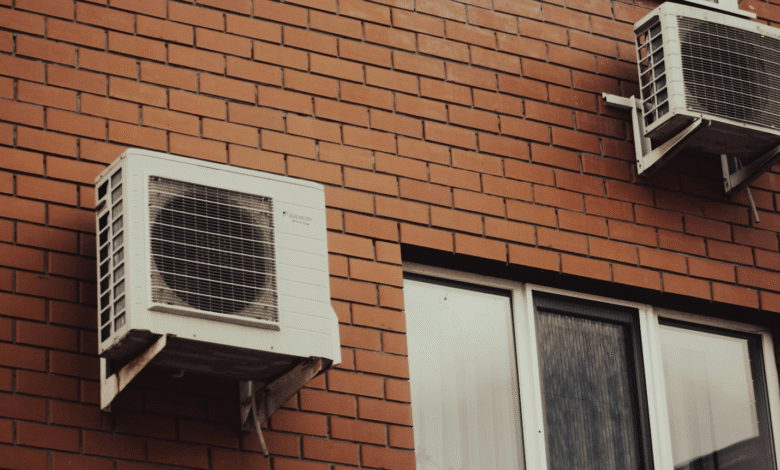
The outdoor condenser unit releases heat pulled from inside your home. When leaves, grass clippings, or dirt accumulate around it, airflow becomes restricted. That forces the system to work longer and harder to cool your space. Keeping at least two feet of clearance around the unit allows it to operate efficiently.
High humidity adds another layer of strain because your AC must remove both heat and excess moisture. In humid conditions, the system may run longer cycles to maintain comfort. Periodically rinsing the condenser coils with the power off and scheduling annual tune-ups helps ensure the unit handles seasonal demands without unnecessary stress.
Simple habits such as replacing filters, clearing debris, and monitoring thermostat performance go a long way. Pair those efforts with routine professional inspections, and you create a reliable system that supports comfort, indoor air quality, and home value. A well-maintained AC does more than cool the air. It protects your investment and improves daily living throughout the hottest months of the year.