Coming up with good content ideas is hard. Knowing which ideas will actually work is even harder. For creators trying to grow on platforms like TikTok, Instagram Reels, and YouTube Shorts, guessing wrong can mean wasted time and missed momentum.
That is why more creators are turning to image-to-video AI. Instead of committing hours to filming and editing, they can turn simple visuals into short videos, test multiple ideas quickly, and learn what resonates. This shift has changed how creators approach experimentation, feedback, and growth in short-form content.

Why is testing content ideas so important for creators today?
Testing helps creators understand their audience before investing too much time or effort. It reduces risk while increasing learning speed.
Social platforms reward relevance, not perfection. According to a 2024 Hootsuite report, creators who test multiple formats weekly see faster engagement growth than those who stick to a single style. Algorithms respond to audience behavior in real time, which means creators who test ideas quickly gain insights faster and adapt more effectively.
What makes traditional content testing slow and expensive?
Traditional testing often requires filming, editing, and publishing from scratch. Each idea comes with a time and energy cost.
Even short videos can take one to three hours to produce when filming, lighting, and editing are involved. For solo creators or small teams, this limits how many ideas can realistically be tested. This bottleneck slows learning and makes creators more hesitant to experiment.
How does image-to-video AI change the testing process?
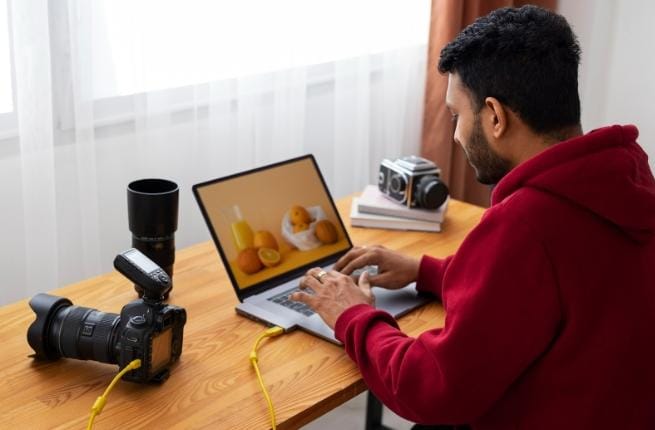
Image-to-video AI removes production friction by turning static images into animated clips. Creators can test ideas without filming new footage.
Instead of recording multiple versions of a concept, creators upload an image and generate different motion-based videos. This allows them to focus on testing hooks, captions, pacing, and formats rather than production logistics. The faster the test, the faster the feedback loop.
Why does speed matter when testing content ideas?
Trends move fast, and timing often matters more than polish. Testing late can mean missing the moment entirely.
A 2024 TikTok trend analysis showed that content published within the first 48 hours of a trend’s rise received significantly higher reach than later posts. Image-to-video AI helps creators respond quickly by converting existing visuals into video content within minutes, allowing them to test ideas while trends are still active.
How do creators use image-to-video AI for rapid experimentation?
Creators often generate multiple variations of the same idea using different motion styles, captions, or visual pacing. Each variation acts as a test.
For example, a creator might take one image and produce three short videos with different hooks. One might emphasize humor, another storytelling, and another visual surprise. By publishing these variations and reviewing performance metrics, creators quickly see which direction resonates most with their audience.
What types of content ideas are easiest to test with image-to-video AI?
Not all ideas require full production. Many concepts can be validated with lightweight visuals and motion.
Reaction content, before-and-after transformations, text-based humor, character expressions, and meme-style storytelling are especially effective. According to Later.com analytics, posts with expressive motion and clear hooks generate up to 34 percent more shares than static posts. Image-to-video AI excels at adding that motion without heavy effort.
Where does image-to-video AI fit into a creator’s workflow?
Image-to-video AI usually sits between ideation and publishing. It acts as a fast prototyping layer.
In the middle of many creator workflows, tools like image to video AI by Viggle AI help turn static visuals into short, animated test videos. Creators use this stage to validate ideas before committing to more polished production or scaling a concept into a series.
How does image-to-video AI help creators learn from data faster?
Testing only works when creators can quickly interpret results. Image-to-video AI supports faster learning cycles.
When creators publish multiple variations in a short time frame, performance differences become clearer. Metrics like watch time, completion rate, shares, and comments reveal which ideas connect. A Social Media Examiner study found that creators who review analytics weekly improve content performance by up to 22 percent over time.
Why does motion-based testing outperform static testing?
Motion adds emotional cues that static images cannot provide. It helps creators test not just ideas, but delivery.
Subtle movement like facial expressions, gestures, or transitions changes how viewers interpret content. Motion-based tests reveal whether an idea feels engaging in a real feed environment. This makes image-to-video AI a more accurate testing method than static posts or drafts.
How does image-to-video AI reduce creative burnout?
Burnout often comes from pressure to be perfect. Image-to-video AI encourages experimentation over perfection.
By lowering the cost of failure, creators feel more comfortable testing bold or unconventional ideas. When experimentation becomes easier, creativity feels lighter. According to a 2023 Creator Economy survey, creators who experiment frequently report higher motivation and lower burnout than those who focus only on polished output.
What mistakes do creators make when testing with image-to-video AI?
The most common mistake is testing too many variables at once. Without focus, results become unclear.
Effective testing isolates one change at a time, such as a hook or visual style. Creators who change everything in each test struggle to learn what actually worked. Image-to-video AI works best when paired with intentional testing strategies and consistent review.
Does testing with image-to-video AI affect authenticity?
Authenticity depends on intent, not tools. Viewers care about relevance and honesty, not production methods.
A 2023 Stackla survey found that 90 percent of consumers value authenticity over high production quality. Image-to-video AI supports authenticity when it helps creators communicate ideas quickly and clearly. Problems only arise when content feels generic or disconnected from audience culture.
What does the future look like for content testing with image-to-video AI?
Content testing is becoming more data-driven and continuous. Image-to-video AI will likely become a standard testing tool.
Industry forecasts suggest that by 2027, over 80 percent of social video content will involve some level of AI assistance. As models improve, creators will test ideas in near real time, adjusting motion, tone, and pacing based on audience response faster than ever before.
Conclusion
Testing content ideas quickly is no longer optional for creators who want to grow. Image-to-video AI has become a powerful way to shorten feedback loops, reduce production friction, and learn what audiences actually want.
By turning simple visuals into motion-driven videos, creators can experiment more often, analyze results faster, and refine ideas with confidence. The creators who succeed are not replacing creativity with AI. They are using image-to-video AI as a testing tool that makes creativity more agile, more informed, and more sustainable in a fast-moving digital landscape.