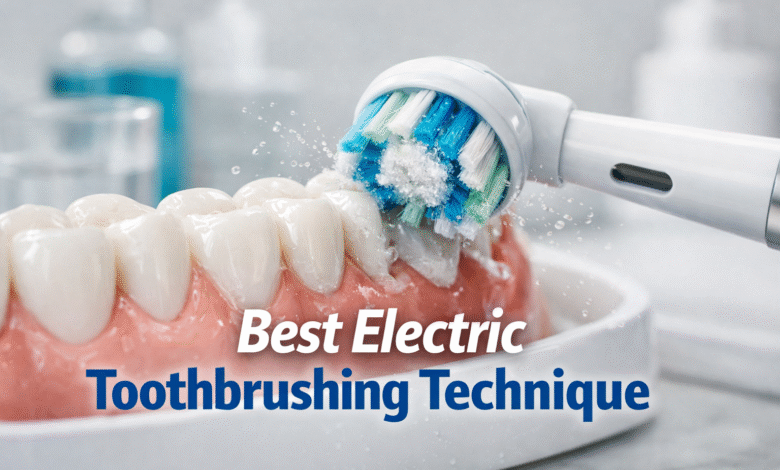
When it comes to maintaining good oral hygiene, using an electric toothbrush can make a world of difference. However, simply owning an electric toothbrush is not enough. To achieve the best results, you need to know the best electric toothbrushing technique. A proper technique can help ensure that you are effectively cleaning your teeth, reducing plaque buildup, and preventing dental issues in the long run.
In this comprehensive guide, we will walk you through the best electric toothbrushing techniques, providing expert advice on how to brush your teeth the right way using an electric toothbrush. We’ll also cover essential tips and tricks to optimize your brushing routine for healthier teeth and gums. Whether you’re a beginner or have been using an electric toothbrush for years, this article will help you make the most of your oral care routine.


Why Best Electric Toothbrushing Technique
Before we dive into the best electric toothbrushing technique, let’s first explore why electric toothbrushes are so effective in the first place. Electric toothbrushes offer numerous benefits over traditional manual brushing, including:
- Superior Plaque Removal: Electric toothbrushes are designed to provide consistent motion and pressure, ensuring a more thorough clean than manual brushing.
- Timers and Pressure Sensors: Many electric toothbrushes come with built-in timers to ensure you brush for the recommended two minutes and pressure sensors that prevent brushing too hard.
- Ease of Use: Electric toothbrushes do most of the work for you, making it easier to maintain proper brushing technique, even for those with limited dexterity.
- Gentler on Gums: The gentle oscillations or vibrations of electric toothbrushes are less abrasive on gums compared to manual brushing.
Now that we understand why electric toothbrushes are an excellent choice for optimal oral hygiene, let’s discuss the best electric toothbrushing technique.
The Best Electric Toothbrushing Technique: Step-by-Step
To get the most out of your electric toothbrush, it’s crucial to follow the right technique. While using an electric toothbrush is generally easier than a manual one, proper technique still matters. Here’s how you can ensure that you’re brushing your teeth the right way.
1. Choose the Right Toothbrush and Brush Head
The first step to achieving the best electric toothbrushing technique is to select the right toothbrush and brush head. Make sure that your electric toothbrush has a comfortable grip, sufficient brushing modes (such as sensitive or deep clean), and a timer function to guide your brushing time.
Additionally, you should choose a brush head that suits your needs. For example, a brush head with soft bristles is ideal for sensitive teeth and gums, while one with a larger head may be more suitable for larger mouths.
2. Apply the Right Amount of Toothpaste
Before turning on your electric toothbrush, apply a small amount of toothpaste. You don’t need to cover the entire brush head with toothpaste—about a pea-sized amount is sufficient. Too much toothpaste can lead to excessive foam, which may affect your ability to see where you’re brushing.
3. Position the Brush Correctly
When brushing with an electric toothbrush, the position of the brush is just as important as the brushing motion itself. Hold the brush at a 45-degree angle to your gums, ensuring that the bristles are touching both your teeth and the gum line. This positioning helps remove plaque from both the surface of your teeth and just below the gum line, where bacteria can accumulate.
4. Let the Brush Do the Work
One of the best things about using an electric toothbrush is that it does most of the work for you. Unlike manual brushing, which requires constant motion from your hands, an electric toothbrush uses oscillating or vibrating bristles to remove plaque and food particles.
Simply guide the toothbrush along your teeth and gums, allowing the bristles to move across each tooth. Do not scrub or press too hard, as this can lead to gum irritation and enamel wear. If your electric toothbrush has a pressure sensor, it will alert you when you are applying too much force.
5. Use the Proper Technique for Each Area of Your Mouth
Different parts of your mouth require different techniques. Here’s a breakdown of how to approach each area:
- Front Teeth: For your front teeth, position the toothbrush vertically, so the bristles align with the tooth surface. Gently move the brush in a circular motion.
- Back Teeth: For your back teeth, use the same technique but ensure that you angle the brush head slightly to reach the hard-to-access areas. You may need to tilt the brush to ensure that the bristles are properly cleaning the back teeth.
- Chewing Surfaces: Focus on the chewing surfaces of your molars by holding the brush horizontally and brushing in a gentle back-and-forth motion.
6. Don’t Forget Your Tongue and Roof of the Mouth
While brushing your teeth is essential, don’t forget about the rest of your mouth. Many electric toothbrushes come with tongue scrapers or brushes specifically designed for cleaning the tongue. Use these to gently clean your tongue, which can help reduce bacteria and bad breath.
7. Follow the Two-Minute Rule
To ensure that you’re brushing your teeth thoroughly, it’s essential to follow the recommended brushing time of two minutes. Many electric toothbrushes have built-in timers that will alert you every 30 seconds, encouraging you to move to the next quadrant of your mouth. Be sure to spend 30 seconds on each quadrant: upper right, upper left, lower right, and lower left.
8. Rinse and Clean Your Brush Head
Once you’ve finished brushing, rinse your mouth with water or mouthwash to remove any leftover toothpaste or debris. Don’t forget to rinse your electric toothbrush’s brush head thoroughly to keep it clean. It’s also important to replace the brush head every 3 to 4 months or when the bristles start to fray.
Additional Tips for the Best Electric Toothbrushing Technique
To get the best results from your electric toothbrush, keep the following tips in mind:
- Avoid Over-brushing: Brushing your teeth more than twice a day or brushing too aggressively can lead to enamel erosion and gum recession.
- Replace Your Brush Head Regularly: To ensure the best cleaning results, replace the brush head every three months or sooner if the bristles are worn out.
- Use a Mouthwash: Complement your brushing routine with an antibacterial mouthwash to further reduce plaque and bacteria.
- Don’t Forget Flossing: While electric toothbrushes are highly effective, they cannot replace flossing. Floss daily to remove plaque and food particles from between your teeth.
Conclusion: Mastering the Best Electric Toothbrushing Technique
In summary, the best electric toothbrushing technique combines the right electric toothbrush, proper positioning, and mindful brushing. By following the steps outlined in this guide, you can ensure that your teeth are thoroughly cleaned while maintaining gum health and preventing oral health problems. With consistent practice and attention to detail, you can achieve a smile that’s not only bright but also healthy for the long term.
Remember, an electric toothbrush is a tool that can make your oral care routine more effective, but it’s your brushing technique that truly makes a difference. Stick to the best practices outlined here, and you’ll be well on your way to optimal oral health.
FAQ: Best Electric Toothbrushing Technique
1. How often should I replace the brush head of my electric toothbrush?
It is recommended to replace your electric toothbrush head every 3 to 4 months or sooner if the bristles begin to fray.
2. Can I use an electric toothbrush if I have sensitive teeth?
Yes! Most electric toothbrushes offer a “sensitive” brushing mode designed to provide a gentler clean for people with sensitive teeth and gums.
3. Should I use mouthwash before or after brushing my teeth?
It’s best to use mouthwash after brushing your teeth. This ensures that your toothbrush has already removed plaque, allowing the mouthwash to reach areas your brush may have missed.
4. How can I make sure I’m brushing for the full two minutes?
Many electric toothbrushes come with built-in timers that alert you every 30 seconds. This ensures that you spend equal time on each quadrant of your mouth.
5. Can I brush my teeth too hard with an electric toothbrush?
Yes, brushing too hard with an electric toothbrush can cause gum irritation and wear down enamel. If your electric toothbrush has a pressure sensor, it will alert you when you’re brushing too hard.