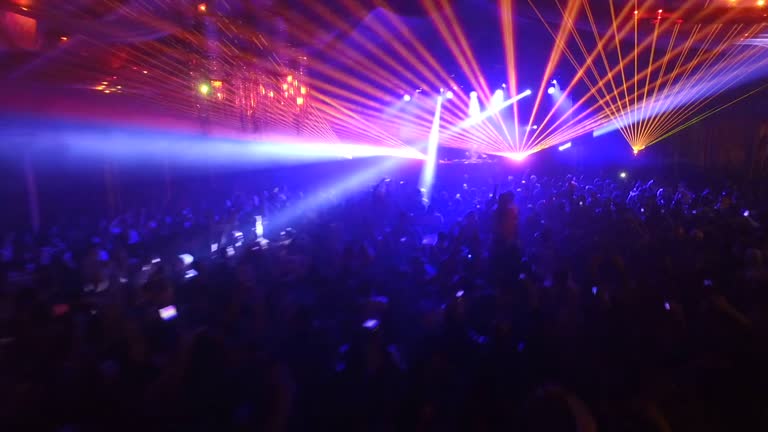
A DJ lighting setup shapes how the audience reacts to music and movement. Color, brightness, and beam direction guide attention across the space. Every fixture contributes to how the environment feels during a performance. A clear layout helps each light support the rhythm and the overall visual flow.
The way dj equipment interacts with the lighting determines how polished the setup appears. Balanced placement allows every beam and color shift to support the sound structure. Thoughtful planning keeps the visual elements aligned with the music at every moment. The next sections explain how each lighting layer fits into a complete system.
Use Wash Lights for Core Illumination
Wash lights cover large areas with even tones and soft beams. They’re commonly used to light up the stage, dancefloor, or backdrop with smooth and consistent colors. These lights support the foundation of the setup by creating an ambient base.
They’re versatile and useful across different styles or music genres. Adjusting intensity and direction changes how the space reacts visually. Using warm or cool tones can reflect tempo and mood shifts. Wash lights, prepare the area for other effects without stealing attention.
Add Movement With Effect Lighting
Effect lights introduce directional beams and shifting patterns to the setup. These units can tilt, pan, rotate, or flash in patterns. They’re placed on mounts or elevated positions to help reach across the floor or toward the ceiling.
Using moving lights adds life to still spaces and keeps the crowd visually connected. Coordinated effects match beat changes and signal transitions within a set. Motion draws attention and makes the lighting feel responsive to the audio experience. Even slow rotations add noticeable depth to the room.
Use Accent Lights for Highlights and Drama
Accent lights are focused and serve to highlight key spots or enhance rhythm. They sometimes include strobes, lasers, or narrow beams. These elements respond quickly and are best used during track changes or high points in the music.
To get the most out of them, use placement and timing together. Flash bursts during a build-up or tight laser shots at a drop help mark shifts clearly. Use them sparingly and never all at once. Proper use keeps their effect sharp and memorable throughout the set.
Control Lights With a Dedicated Unit
All lighting setups need control. A controller or software unit gives precise access to light functions, timing, and transitions. It allows for pre-programmed sequences or live adjustments during a show.
Here’s what a basic controller can manage:
- Pre-saved color fades
- Beat-based effect triggers
- Timed blackout breaks
- Movement speed adjustments
- Layered lighting scenes
Where Professionals Shop for Reliable DJ Lighting
DJs building a complete lighting setup benefit from using a site that focuses strictly on event lighting and dj equipment. These platforms offer full product ranges, including effect lights, wash units, controllers, and accessories for specific stage needs. The listings are designed to help DJs find gear that fits both technical and creative goals without wasted time.
Clear descriptions and access to expert support make selection easier. The layout guides users through compatible options and system add-ons for streamlined planning. For anyone serious about upgrading their visual setup, this type of site offers a faster way to get dependable, performance-ready equipment.