
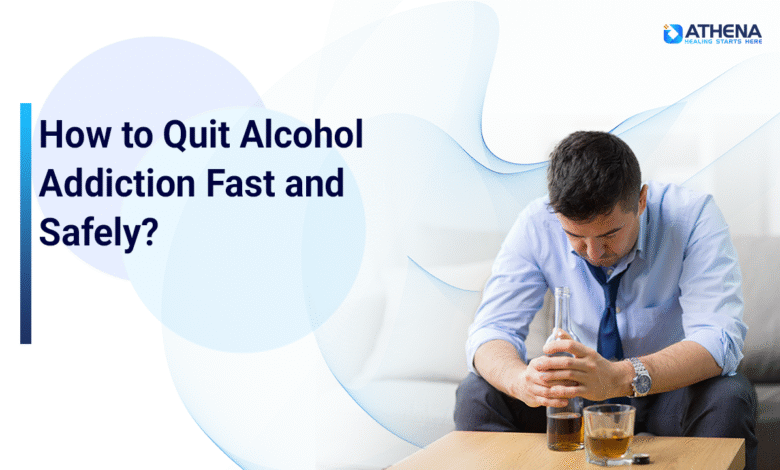
Finding the right path to recovery sometimes starts with understanding the available options. Alcohol use disorder affects millions of people, but effective help exists in many forms. Treatment is not a one-size-fits-all process, and different programs cater to different needs. The journey toward sobriety involves medical support, therapy, and lifestyle changes.
Alcohol rehab programs offer several distinct approaches to healing. These programs range from highly structured residential stays to flexible outpatient sessions. Each type provides unique benefits based on an individual’s specific situation. Factors like the severity of addiction, personal responsibilities, and mental health play a role.


1. Medical Detoxification Services
Medical detoxification serves as the critical first step for many individuals. This short-term program focuses on safely managing withdrawal symptoms. Patients receive 24/7 medical supervision to ensure physical stability. Doctors may administer medications to ease discomfort and prevent complications.
Detox addresses the physical dependence but not the behavioral aspects. It prepares the body for the deeper work of therapy. Medical staff monitor vital signs and adjust treatments as needed. A safe detox reduces the risk of relapse during this vulnerable time.
2. Inpatient Residential Care
Inpatient residential treatment offers a highly structured living environment. Patients stay at a dedicated facility for a set period, typically 30 to 90 days. This approach removes individuals from triggers and stressful home environments. The daily schedule includes individual therapy, group sessions, and educational workshops.
Living among others facing similar struggles creates a powerful sense of community. Residents build healthy routines and learn coping strategies in real time. The separation from everyday life helps break destructive patterns. Family therapy sessions may also be integrated into the program.
3. Outpatient Treatment Options
Outpatient programs allow individuals to live at home while attending treatment. This option provides flexibility for those with work or family commitments. Clients visit a treatment center for several hours each week. Sessions focus on relapse prevention, coping skills, and underlying issues.
Patients apply the skills they learn in real-world situations immediately. They attend therapy during the day and return to their families at night. This format helps integrate recovery principles into daily life gradually. Intensive outpatient programs (IOPs) offer more hours of therapy per week.
4. Partial Hospitalization Programs (PHP)
Partial hospitalization programs provide structured treatment during daytime hours without requiring overnight stays. Clients attend therapy sessions at a treatment facility for several hours each day and return home in the evening. This level of care offers intensive clinical support while allowing individuals to maintain certain personal responsibilities.
PHP typically includes individual counseling, group therapy, relapse prevention planning, and medical supervision when necessary. The structured schedule helps reinforce accountability and routine. Clients receive consistent therapeutic engagement while remaining connected to their home environment. This format works well for individuals who need more support than standard outpatient care provides.
How to Identify a Helpful Rehabilitation Center
Research begins with verifying the facility’s credentials and licensing status. State health departments maintain records of licensed facilities for public review. Accreditation from national organizations signals adherence to established standards. Medical directors should have specialized training in addiction medicine.
Rehab programs should align with personal values and treatment preferences. Some centers emphasize twelve-step facilitation as their primary approach. Others integrate holistic methods like yoga, meditation, or art therapy. Insurance coverage sometimes determines which facilities fall within financial reach.
